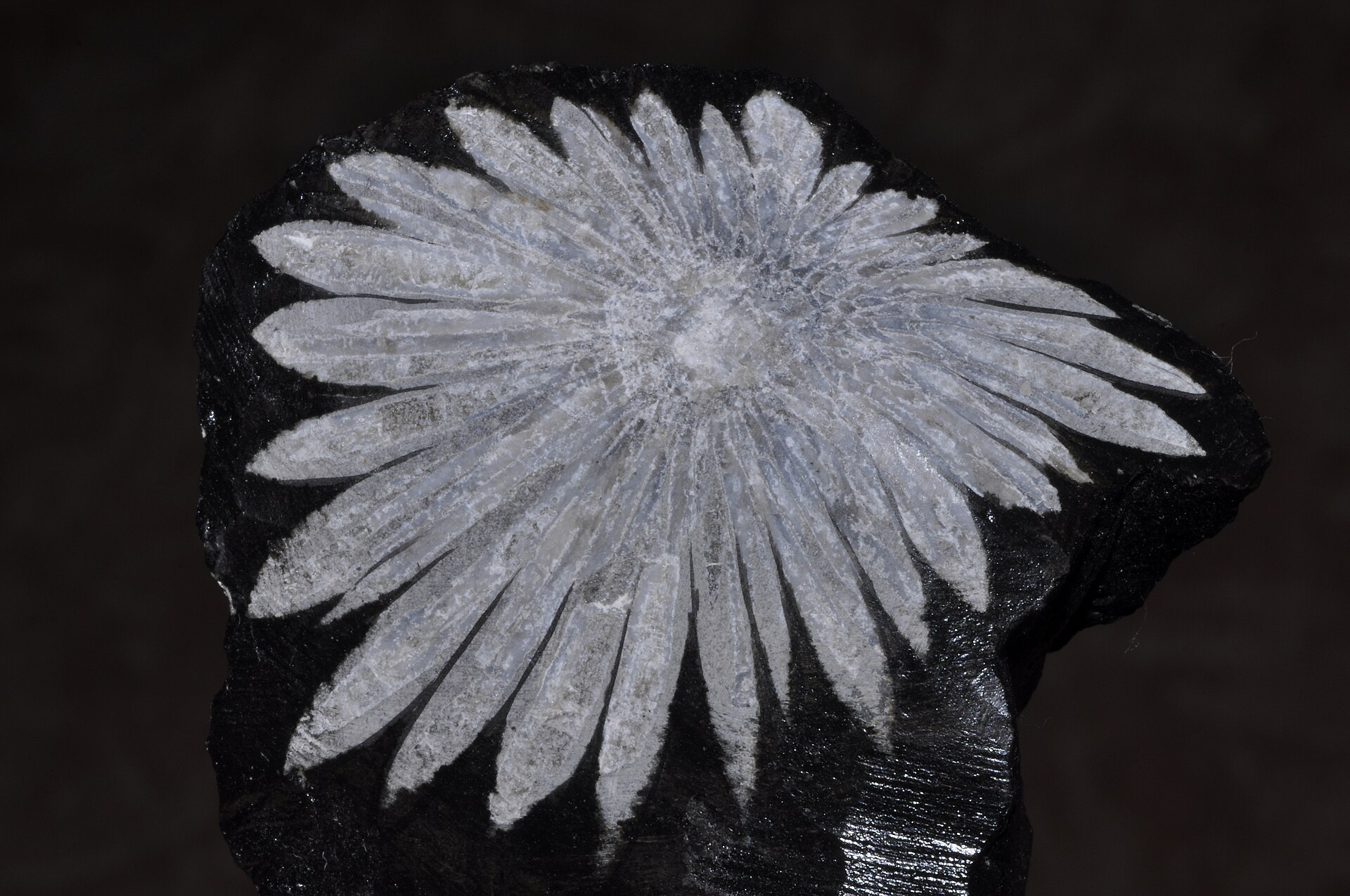
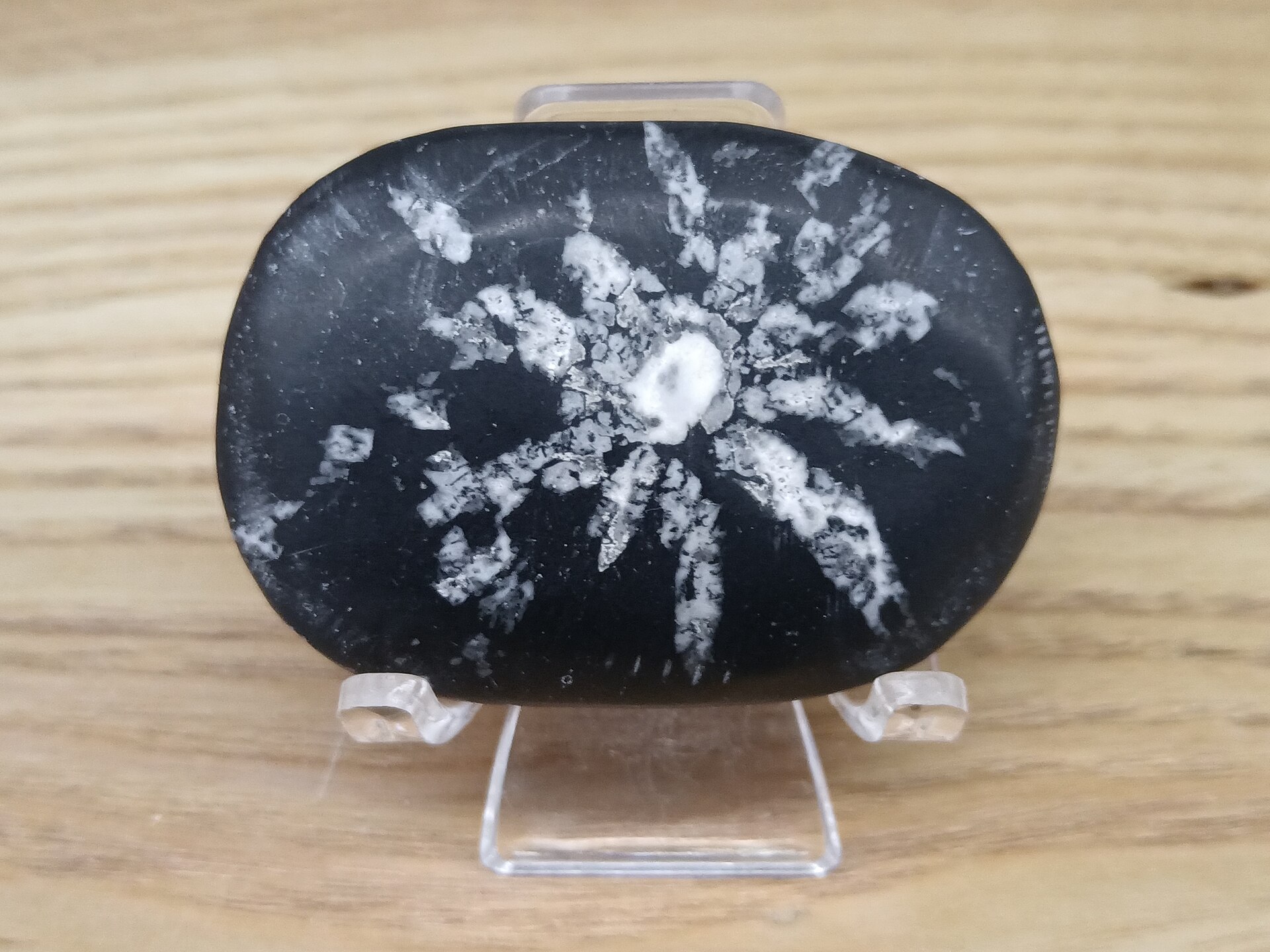
The chrysanthemum stone was formed some 270 million years ago in the Permian limestone of Liuyang, Hunan. Discovered in 1740, it was reserved for imperial tribute; in 1915 it took the Gold Medal at the Panama–Pacific International Exposition.
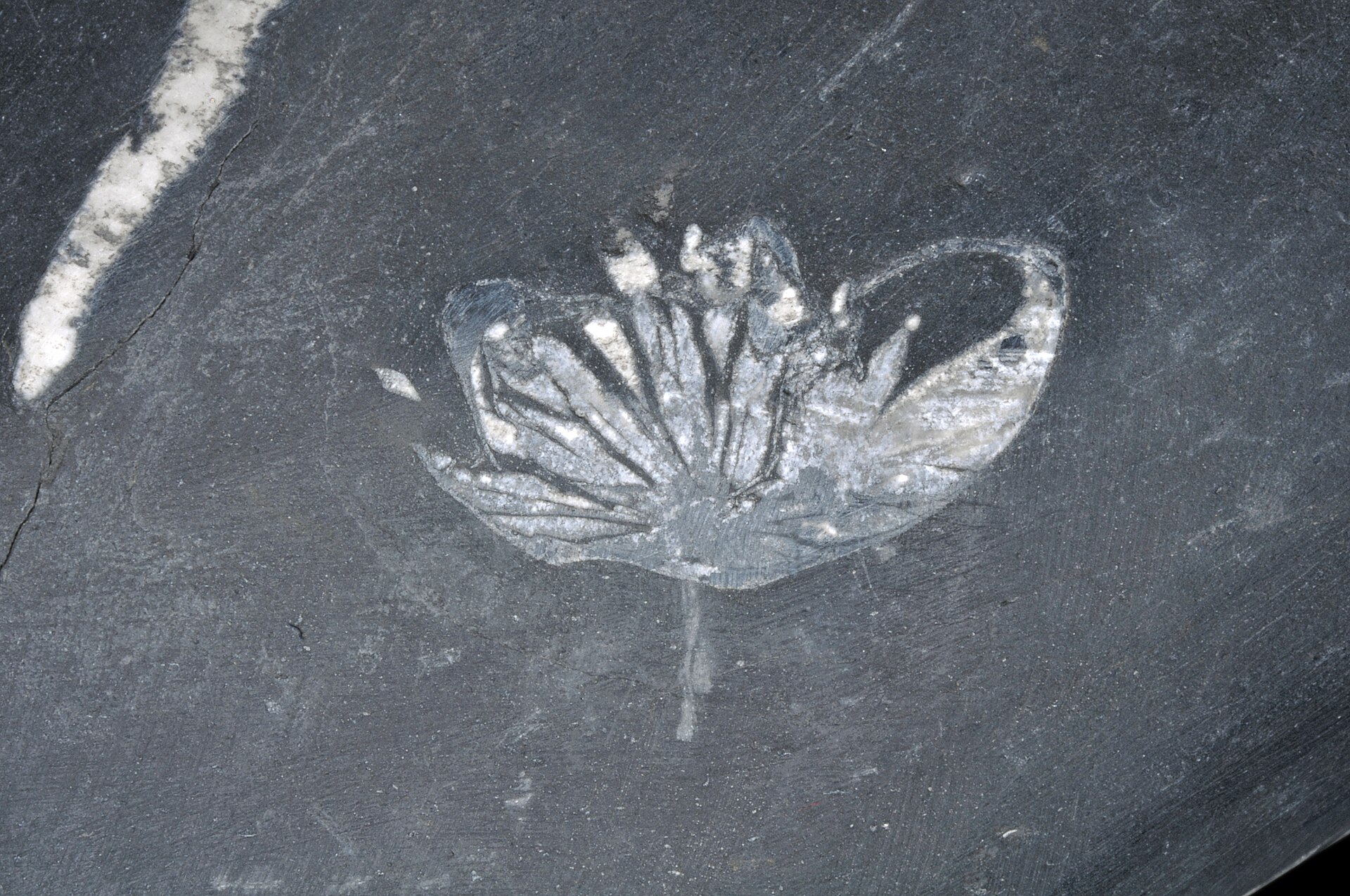
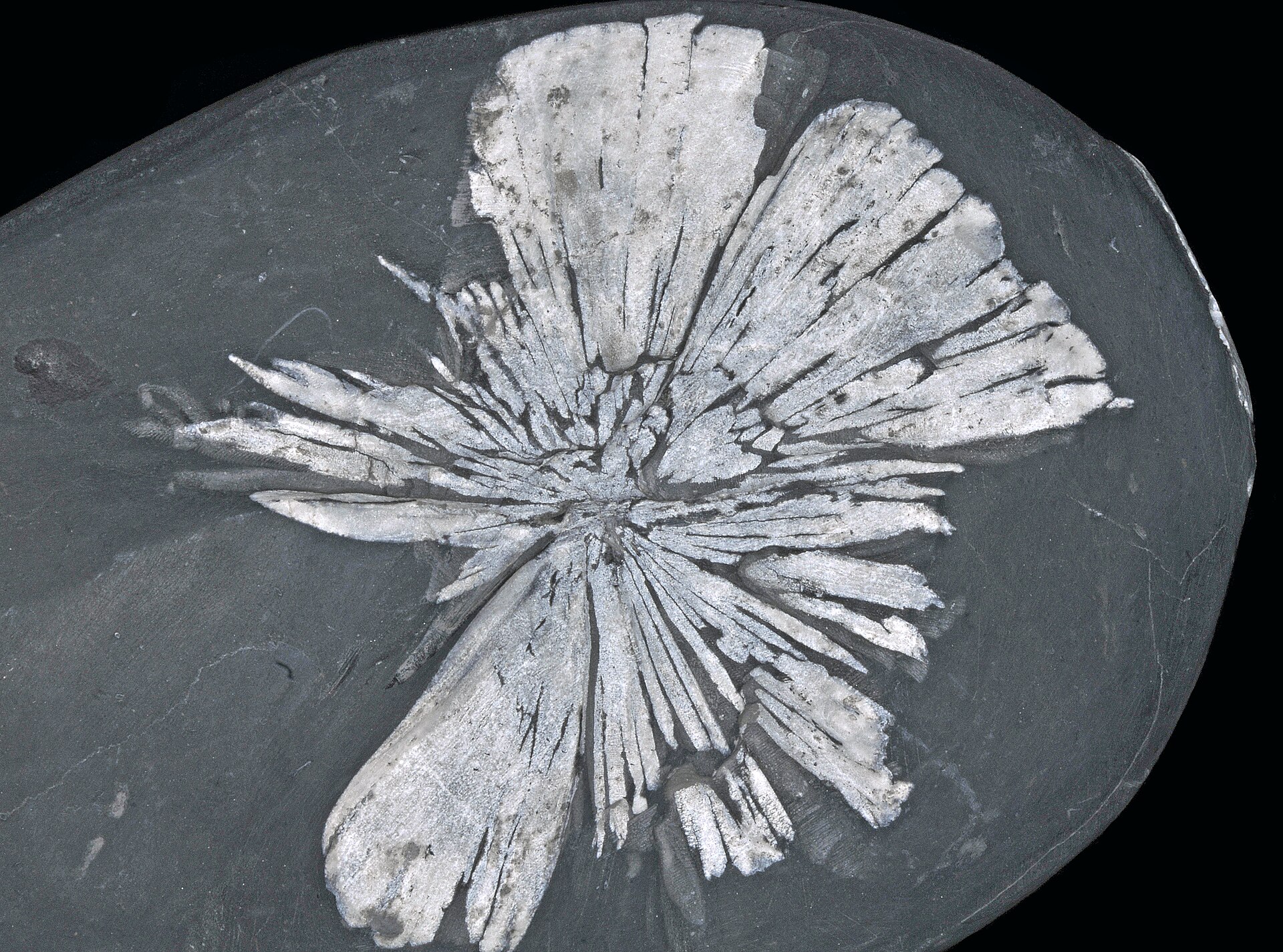
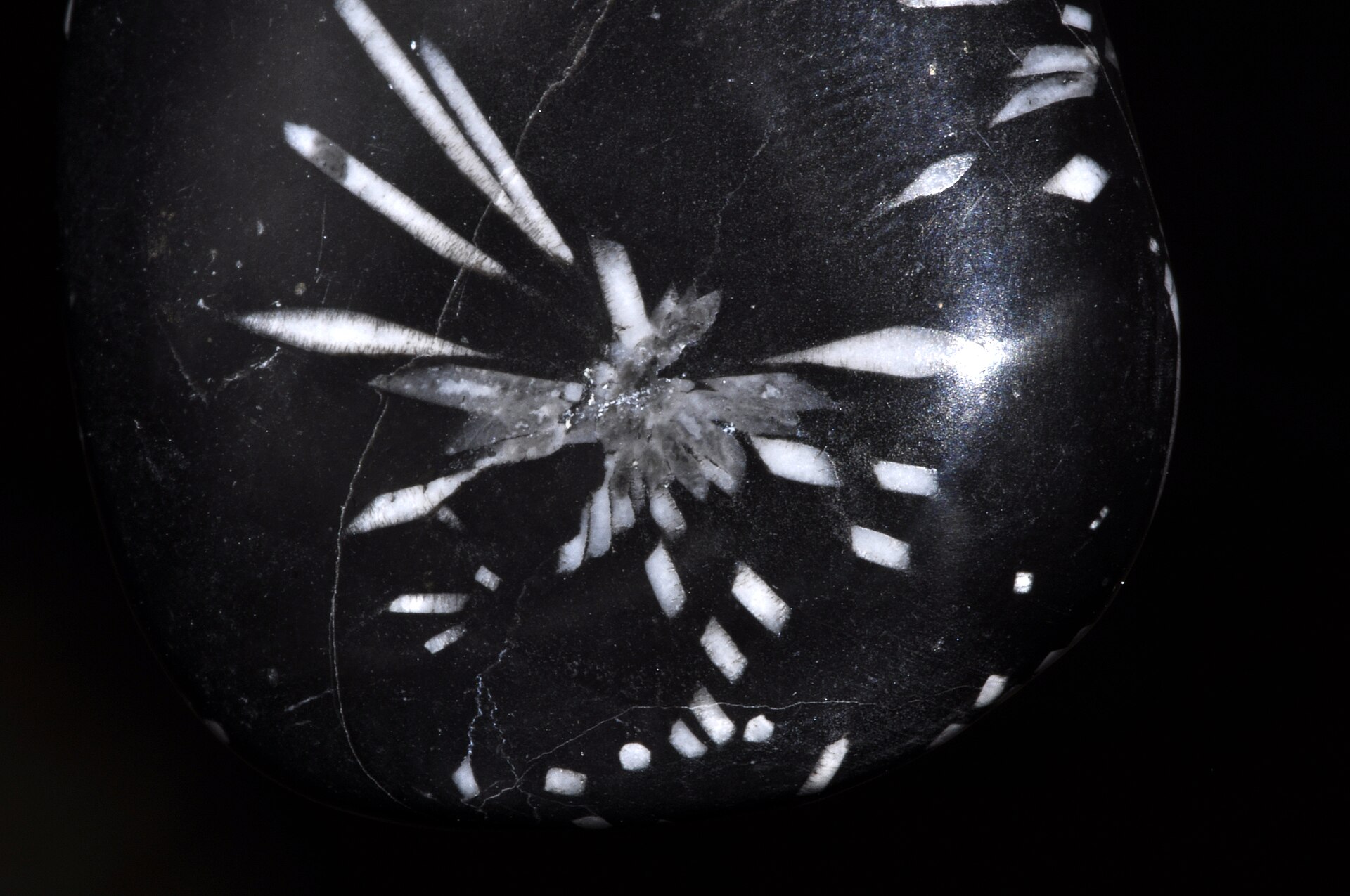
瀏陽の河床が磨き上げた原石。流水に洗われた石肌は細やかに温み、一朵の花は以前のままに静かに咲いている。River material, once reserved for imperial tribute, is no longer quarried — each piece is a surviving remnant.
VIEW ALL
国家無形文化遺産の彫師が、石の花の流れに沿って刃を進める。一枚岩にしかできない、世界でひとつの彫刻。Carved by inheritors of a national heritage craft, following the bloom hidden within the stone.
VIEW ALL
山の鉱脈が生んだ原石。素朴な石面に、幾重にも重なる花弁。水石や盆石の coolant として、床の間に一輪を。A quieter bloom, etched into the mountain matrix — a companion stone for the tokonoma.
VIEW ALL
文房、茶器、置物。日々の手の届くところに、二億七千万年の花を。文鎮に、筆立てに、茶盤に——使うほどに石は馴染む。Paperweights, brush rests and tea implements — the ancient bloom, at hand in daily life.
VIEW ALL「石が花を決める。
彫る者は、花に仕えるだけだ。」
曹明珠 CAO MINGZHU
国家級無形文化遺産 菊花石彫 代表的伝承者(第5期)
National-level Inheritor of Chrysanthemum Stone Carving